
 Image 1 of 1
Available for easy procurement on ECAT SPE2DH-23-0D-0002.
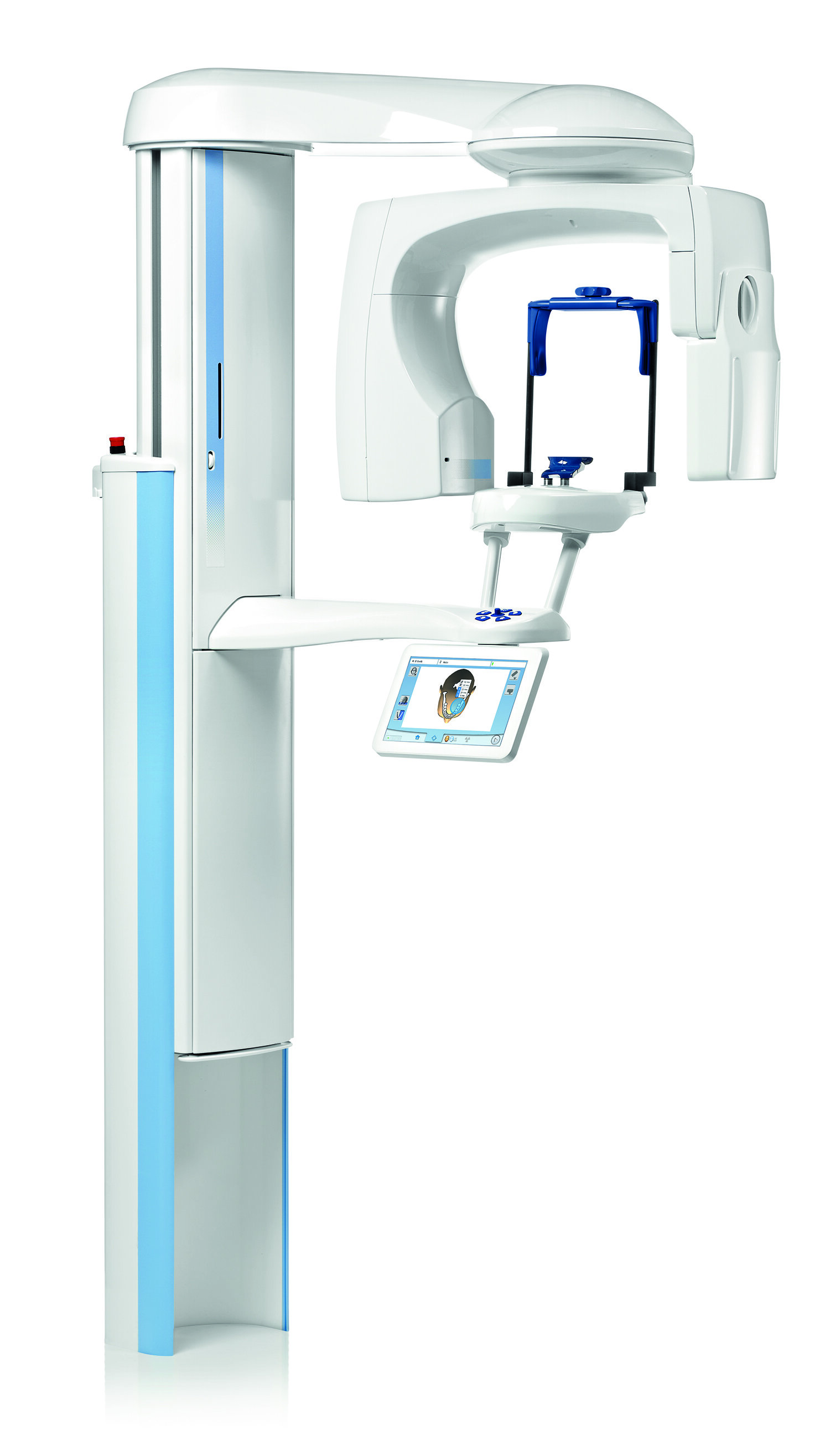
The Planmeca ProMax 3D LEC is a highly versatile unit for endodontists and general practitioners who want Planmeca image quality, but don’t necessarily need all the bells and whistles. This unit can capture small details, be used for implant planning, and for analyzing the airway for dental sleep medicine.
Includes:
Patented SCARA3 technology (Selectively Compliant Articulating Robotic Arm)
2D/3D combined sensor — no need to move or change sensor
Endodontic mode for capturing the finest anatomical details
Biomed Equipment Technician (BMET) Basic 2D and 3D Vendor-site Training
5 year warranty on unit, 5 year warranty on sensor
Planmeca Romexis® open architecture platform
Centralized patient database within Planmeca Romexis®The Planmeca ProMax® 3D LEC is an ideal 3D
Optional:
Planmeca Ultra Low Dose™ protocol reduces the effective patient dose without reduction in image quality
Planmeca CALM® algorithm guards from unnecessary retakes by eliminating the effects of patient movement during CBCT acquisition
Available for easy procurement on ECAT SPE2DH-23-0D-0002.
The Planmeca ProMax 3D LEC is a highly versatile unit for endodontists and general practitioners who want Planmeca image quality, but don’t necessarily need all the bells and whistles. This unit can capture small details, be used for implant planning, and for analyzing the airway for dental sleep medicine.
Includes:
Patented SCARA3 technology (Selectively Compliant Articulating Robotic Arm)
2D/3D combined sensor — no need to move or change sensor
Endodontic mode for capturing the finest anatomical details
Biomed Equipment Technician (BMET) Basic 2D and 3D Vendor-site Training
5 year warranty on unit, 5 year warranty on sensor
Planmeca Romexis® open architecture platform
Centralized patient database within Planmeca Romexis®The Planmeca ProMax® 3D LEC is an ideal 3D
Optional:
Planmeca Ultra Low Dose™ protocol reduces the effective patient dose without reduction in image quality
Planmeca CALM® algorithm guards from unnecessary retakes by eliminating the effects of patient movement during CBCT acquisition